

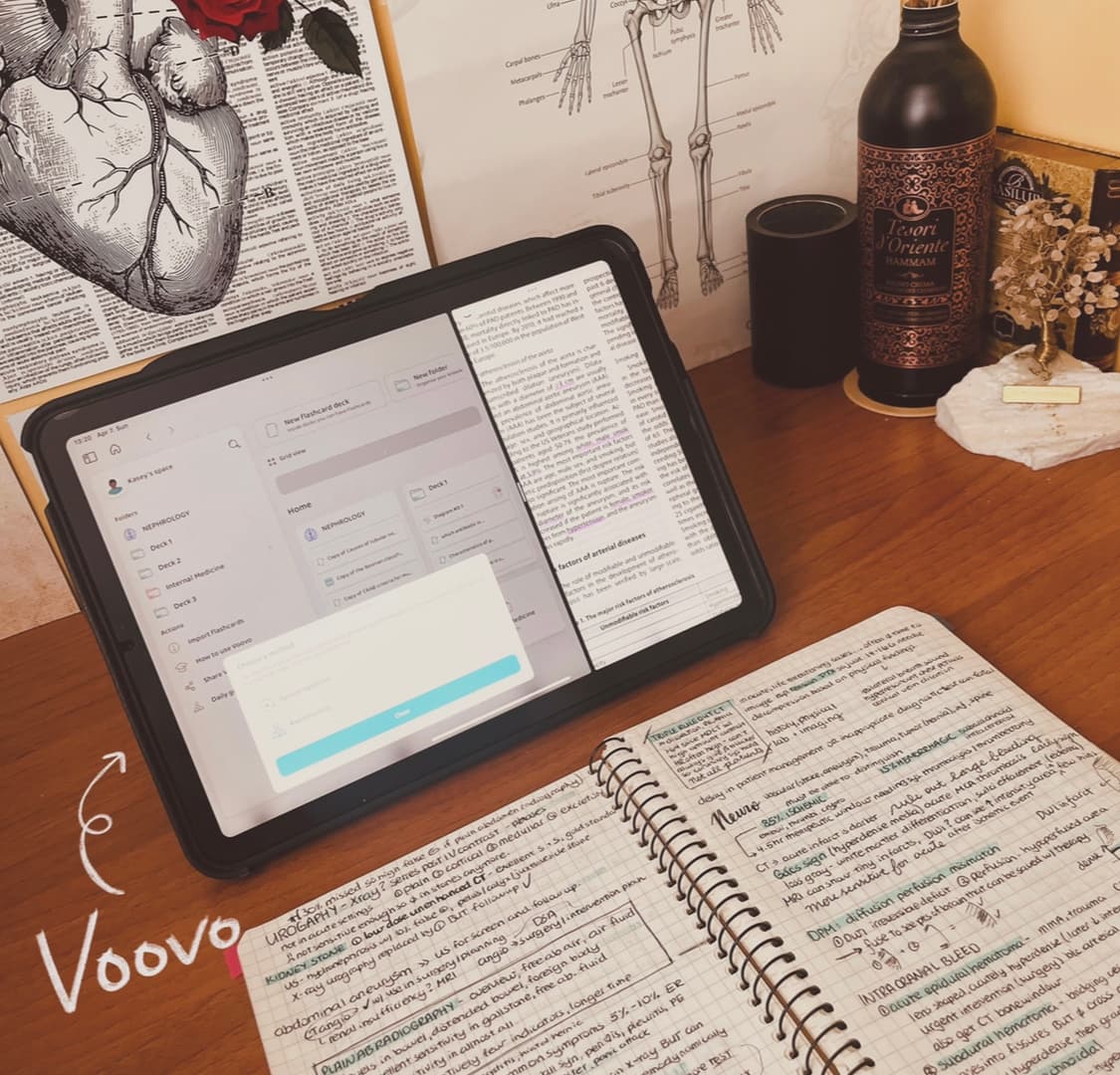
Throughout centuries, the popularity of flashcards has seen nothing but growth 📈. This growth alone is a testament to the benefits that flashcards add to our study life. In the following article, we embark on a journey into the world of flashcards — you will have a deeper look into their rich history, the scientific evidence that backs them, and the myriad of ways that they can enrich your study routine! 🎉
The roots of flashcards can be traced back to ancient China, where scholars used small, portable tablets to memorize and recite important texts. In ancient Greece and Rome, students employed small wooden or paper tablets known as "tabulae" to aid in memorization of key facts and figures. Fast forward to 1805, the Quakers used them to teach students how to write English. And in the 20th century, the dawn of computers and technology has led to yet another boom and transformation in flashcard usage. We truly believe that flashcards are one of the most efficient ways to study, and put information into our long term memory. 📚🧠
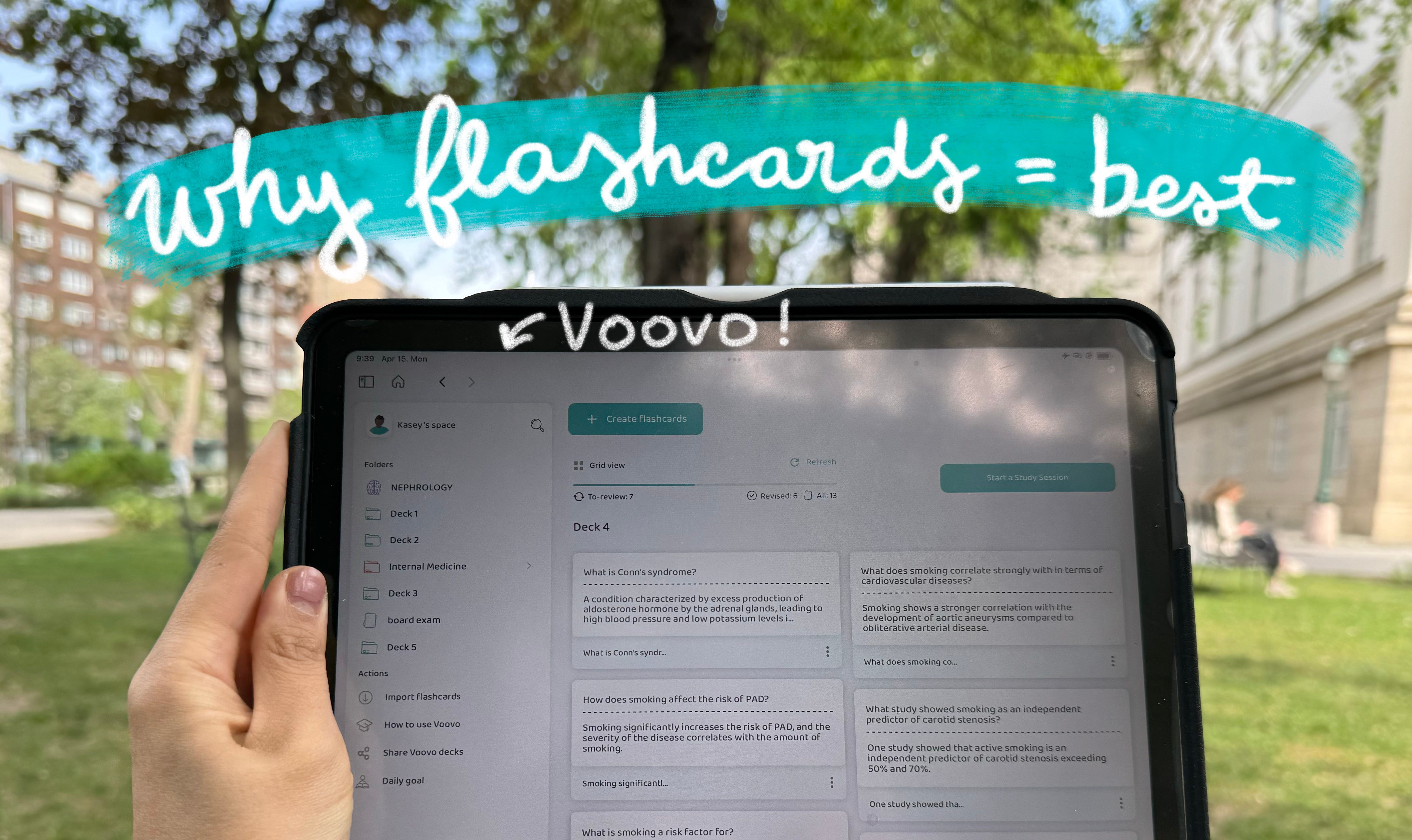
This theory states that information is more effectively encoded and retrieved when it is represented in both verbal and visual formats. By including images, diagrams, or other visual cues on flashcards along with text-based information, learners can enhance their understanding and memory of the material. If this is incorporated into your flashcard studying, it would make your study process even more effective!

Throughout my medical school (and, high school) journey, I've always known the power of flashcards. When I had flashcards ready, it was always effortless to study for the exam — I could study on bus rides, at home on the couch, and anywhere I want. Despite this, I often found myself cramming large volumes of text right before exams, wishing I had flashcards. This is because the process of making flashcards can be quite long, to write down each individual question and answer repetitively until all the questions are done can be exhausting. 😭 Even though digital flashcard apps helped speed up the process of making flashcards a bit, it was still a tedious process!
This all changed when I discovered Voovo, which has made an incredibly positive impact on my stress levels prior to exams. With Voovo, you can generate automatic AI flashcards from long text that you can insert into the app! 📚 This alone is an amazing feature. On top of this, you can also insert a complicated diagram into the app and have up to 300 flashcards (depending on how many labels there are) generated in less than a minute! 🤩
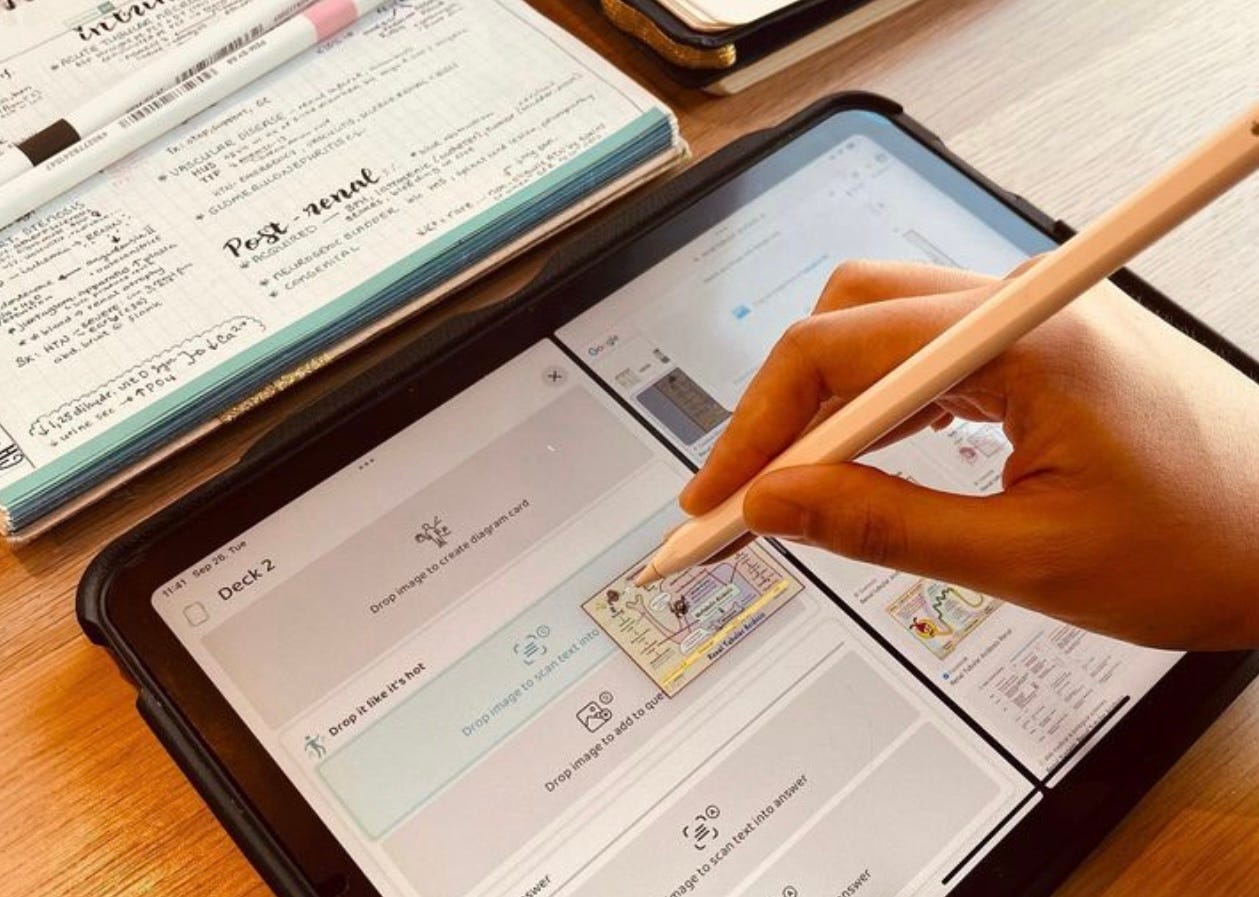
In addition, you can use Voovo in split screen with any of your other study resources. This allows for you to…
I am sure a lot of you, just like me, have wanted to incorporate flashcard learning into your study routine but have found it challenging due to how time consuming they are to make. This is why I am so happy that Voovo was created. 😍 Voovo’s goal is to make your study life as easy, fast, and fun as possible, because you should not be spending hours and hours reading a text over and over again!
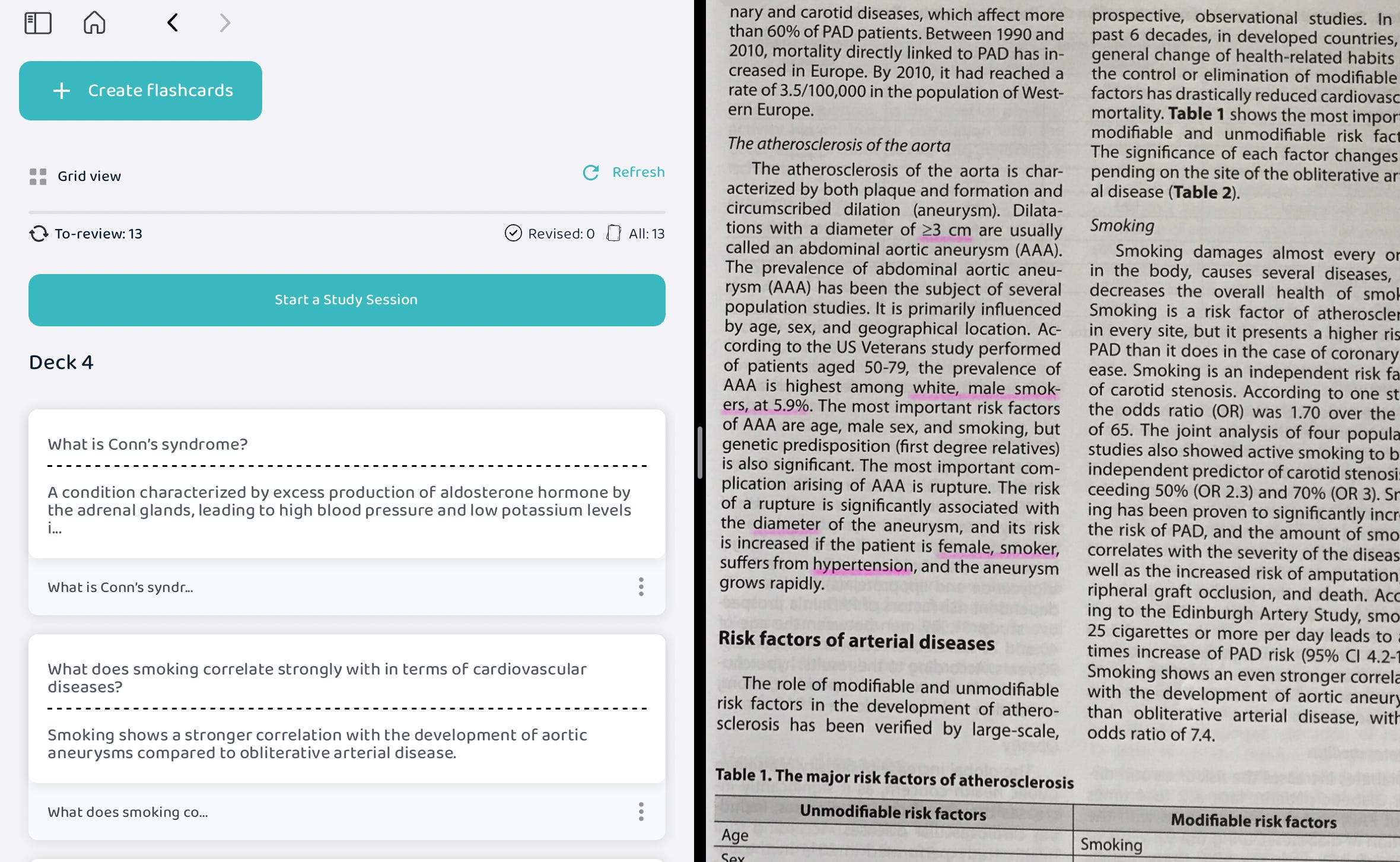
As a result, you don’t have to worry about switching between flashcard apps so that you can have all the types of flashcards you need! We got you covered. 😍
Unlock your learning potential with Voovo: Effortless flashcards, powerful resultsI hope that this was a helpful article and that it inspired you to start studying with flashcards more! When did you first start using flashcards? Do you have any tips or hacks for the other fellow students reading this? If so… leave a comment! We as team Voovo love to make blog posts about studying tips/hacks, our day to day study life, and to keep you updated on all the updates and future of Voovo 👏
Instantly generate flashcards from anatomy diagrams, textbooks, and notes using AI, text recognition algorithms and Voovo's unique features.
 Voovo Secures $500K in Pre-Seed Round to Revolutionize Microlearning in Education through Spaced Repetition
 Company News
 Why am I tired?
 Use Cases & Study Tips
 7 tips to study effectively at night!Use Cases & Study Tips
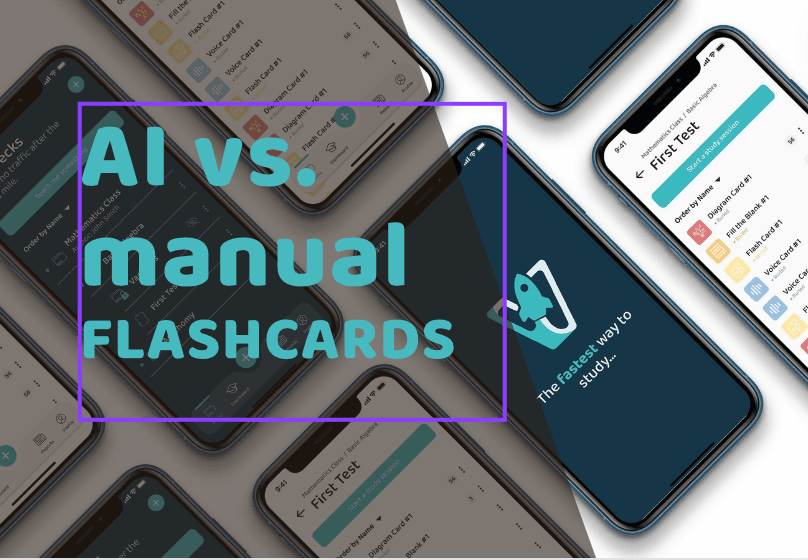 AI vs. manual flashcard creation: Why you need both for 100% accuracyUse Cases & Study Tips
 3 reasons to study languagesUse Cases & Study Tips
 5 Proven Ways to Improve Your Memory
 Education
 5 tips for faster studyingUse Cases & Study Tips
 5 tips for staying focused during online educationUse Cases & Study Tips
 7 tips to cope with pre-exam stressUse Cases & Study Tips


